
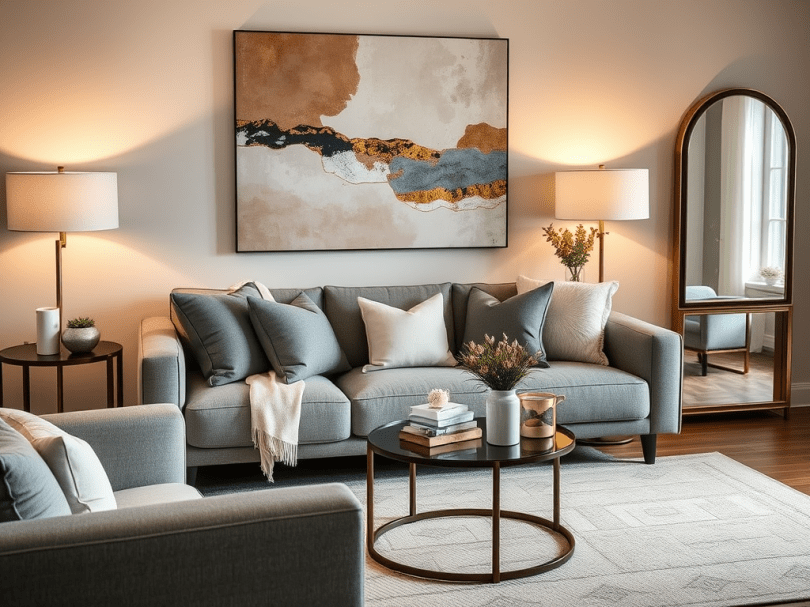
Budget Room Makeover: Under $300 Transformations That Wow (2026 Edition)How small choices create big reactions

In 2026, home décor is no longer about how much you spend. It’s about how intentional your choices are. The most envy-worthy homes aren’t filled with expensive furniture; they’re filled with personality, warmth, and smart styling. With just $300, you can transform a room from plain and forgettable into a space that feels curated, cozy, and high-end.
The secret isn’t buying more.
It’s buying smarter.

Let me show you how—and share a real-life style story that proves it works.


A Real Budget Makeover Story

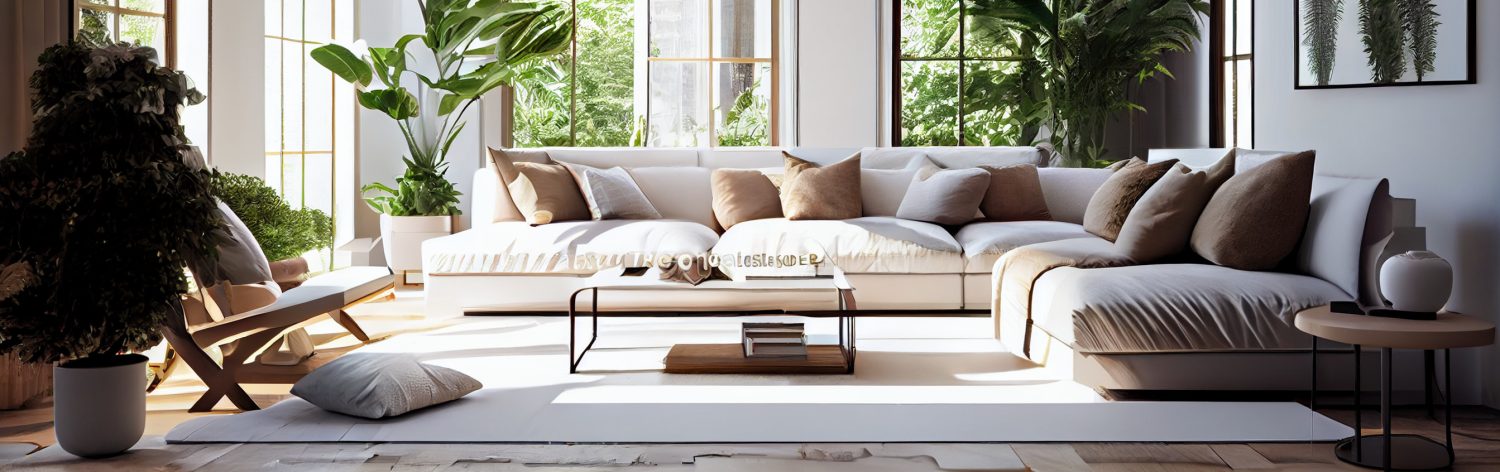
Jasmine had just moved into her first apartment. She loved her space, but her living room felt empty and unfinished:

  • Plain white walls
  • A gray couch with no pillows
  • No rug
  • One harsh overhead light
  • No décor or personality

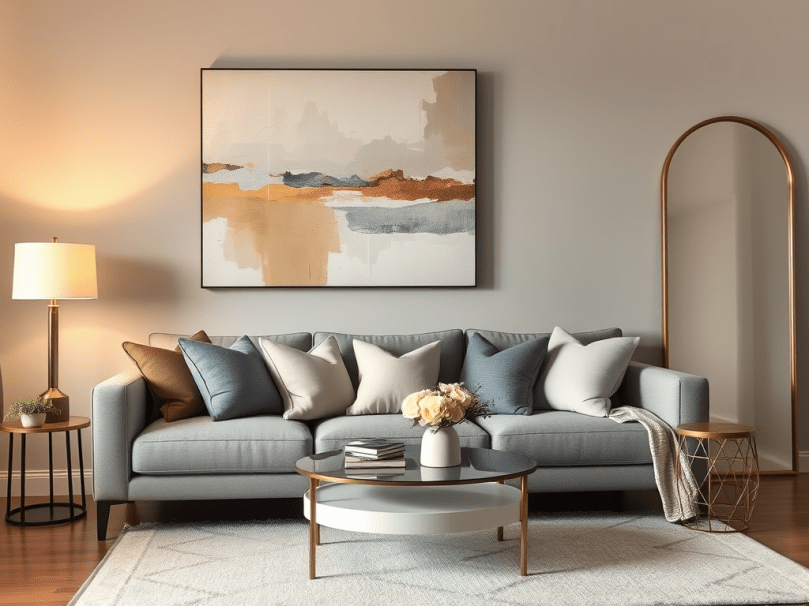
She wanted her room to feel cozy, modern, and a little glamorous—but she only had $300 to work with. Instead of feeling limited, she treated it like a challenge.

Here’s exactly how she transformed her room.


1. Statement Wall Art – $38

She purchased:

  • One oversized abstract canvas in champagne, bronze, and ivory tones.

Why it worked:
Wall art sets the tone of a room. That single piece became her focal point. Guests immediately assumed it was custom artwork.

Examples you can use:

  • Large neutral abstract prints
  • Framed wallpaper samples
  • Motivational typography posters
  • Minimalist line drawings

This is where your style speaks first.


2. Luxe Throw Pillows & Covers – $28

She reused her old pillows and bought:

  • Two velvet covers in graphite gray
  • One boucle ivory cover
  • One muted rose accent pillow

Why it worked:
Mixing textures made her couch look styled instead of basic.

Trending 2026 colors:

  • Champagne beige
  • Soft bronze
  • Muted rose
  • Graphite gray
  • Warm ivory

Pillows are small details that make a big statement.


3. Area Rug – $85

She found:

  • A neutral low-pile rug with subtle geometric detailing.

Why it worked:
Rugs anchor the room. Without one, a space feels temporary. With one, it feels finished.

Examples:

  • Ivory rugs with bronze threading
  • Beige rugs with micro-patterns
  • Washable modern rugs

4. Mood Lighting – $34

She added:

  • A table lamp with a linen shade
  • Warm LED strip lighting behind her TV console

Why it worked:
Lighting transformed the entire mood. Her space went from “apartment bright” to “boutique hotel cozy.”

Examples:

  • Table lamp + LED strips
  • Floor lamp + battery wall sconces
  • Warm light bulbs over cool tones

Lighting is the fastest way to elevate any room.


5. Decorative Mirror – $29

She chose:

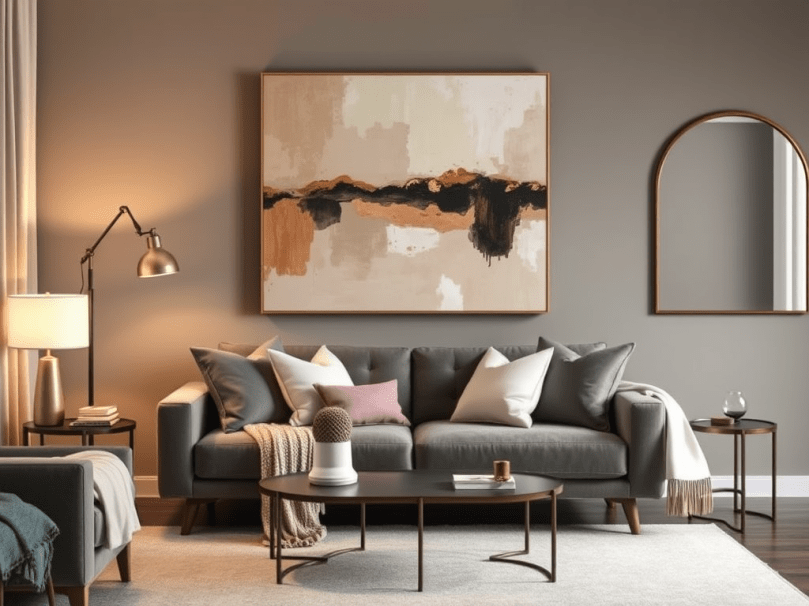
  • An arched mirror with a thin bronze frame.

Why it worked:
It reflected natural light and visually made the room feel bigger and brighter.

Examples:

  • Arched mirrors
  • Thin gold or bronze frames
  • Minimalist black mirrors

Mirrors = instant luxury.


6. Greenery – $22

She bought:

  • A faux olive tree
  • A small eucalyptus bundle

Why it worked:
Plants soften a space and add life.

Examples:

  • Faux olive trees
  • Snake plants
  • Pampas grass
  • Eucalyptus stems

Greenery makes spaces feel fresh and expensive.


7. Coffee Table Styling – $19

She used:

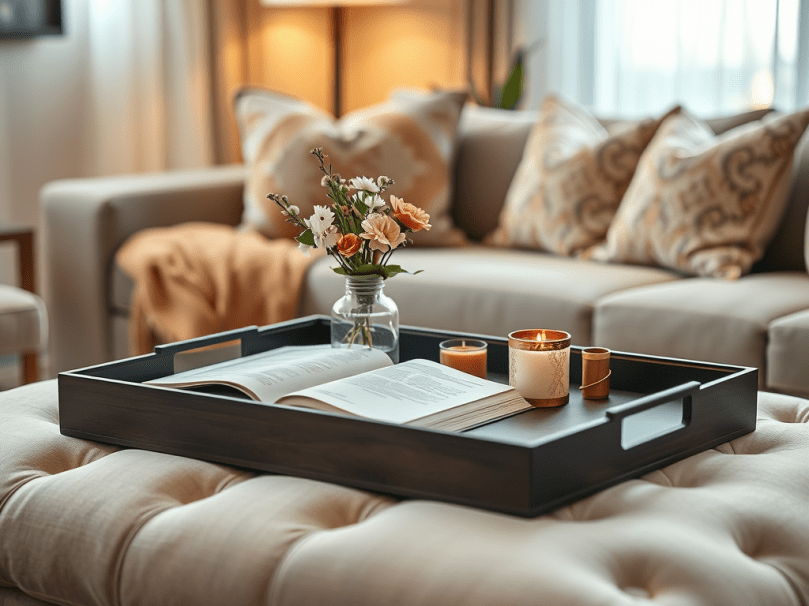
  • A decorative tray
  • One candle
  • A small stack of books

Why it worked:
Her coffee table went from empty to styled and intentional.

This is one of the most envy-inducing areas in any living room.


8. Stylish Storage – $20

She added:

  • A woven basket for throws and magazines.

Why it worked:
Organization feels luxurious. A clutter-free room always looks high-end.

Examples:

  • Woven baskets
  • Decorative boxes
  • Acrylic organizers
  • Fabric bins

Jasmine’s Final Budget Breakdown

ItemCost
Wall Art$38
Pillow Covers$28
Rug$85
Lighting$34
Mirror$29
Greenery$22
Coffee Table Decor$19
Storage Basket$20
Total$275

She stayed under budget and completely transformed her living room.


What People Said When They Visited

“This looks like a designer space.”
“Your apartment feels so cozy and grown.”
“How did you afford all this?”

That’s the magic of intentional styling.


Items That Make People Envy Your Home

These are the pieces that quietly impress:

  • Statement wall art
  • Coordinated color palettes
  • Layered lighting
  • Styled coffee tables
  • Textured pillows
  • Clean, organized surfaces
  • Soft greenery

Envy doesn’t come from excess.
It comes from balance.


Why Budget Makeovers Work in 2026

In 2026, decorating is more about:

  • Personality
  • Comfort
  • Purposeful design
  • Sustainability and smart buying

People admire homes that feel lived-in, warm, and thoughtfully styled—not overloaded.

Final Thoughts

Jasmine didn’t have a big budget.
She had a vision. And that’s what truly transforms a room.

A $300 budget isn’t a limitation.
It’s an opportunity to be creative, intentional, and stylish.

When your home reflects who you are, people don’t see your budget.
They see your taste.
TV Trays: Functional Home Décor or Just Temporary Storage?

TV trays, also known as dinner trays, have quietly remained a staple in many homes for decades. While they were once seen as purely practical furniture pieces meant for quick meals in front of the television, today they are being reimagined as multifunctional accents that blend convenience with style. So the real question is: are TV trays a functional piece of home décor, or are they simply a temporary place to set things while you use them?

The answer is… they’re both.

At their core, TV trays are designed to make life easier. They offer a portable, compact surface that fits into almost any space. Whether you’re enjoying dinner during a movie night, working on your laptop from the couch, or setting down your morning coffee while reading, TV trays provide an instant tabletop wherever you need one. Their lightweight and foldable design makes them easy to store, perfect for small spaces or homes that value flexibility.

But functionality doesn’t mean they can’t be stylish.

Modern TV trays come in a variety of materials and designs, from sleek metal frames and marble-inspired tops to rustic wood finishes and minimalist silhouettes. When chosen intentionally, they can complement your home’s aesthetic rather than clash with it. A well-designed TV tray can act as a subtle décor accent that blends seamlessly into your living room or bedroom setup.

So, what is the real purpose of TV or dinner trays in your home?

  1. Convenience on Demand
    TV trays are the definition of “grab and go” furniture. They’re there when you need an extra surface and disappear when you don’t. Hosting guests? Pull out a few trays for snacks and drinks. Cozy night in? Your dinner is comfortably within reach.
  2. Multi-Use Functionality
    TV trays are no longer just for meals. They can be:
  • A mini desk for working or journaling
  • A side table for plants, candles, or books
  • A crafting or DIY station
  • A bedside surface for nighttime essentials

Their adaptability is what makes them so valuable in modern homes.

  1. Space-Saving Solutions
    For apartments, condos, or smaller living spaces, TV trays are a game-changer. They provide the function of a table without the commitment of permanent furniture. When space is limited, furniture that folds, stacks, or stores easily is always a win.
  2. Decorative Potential
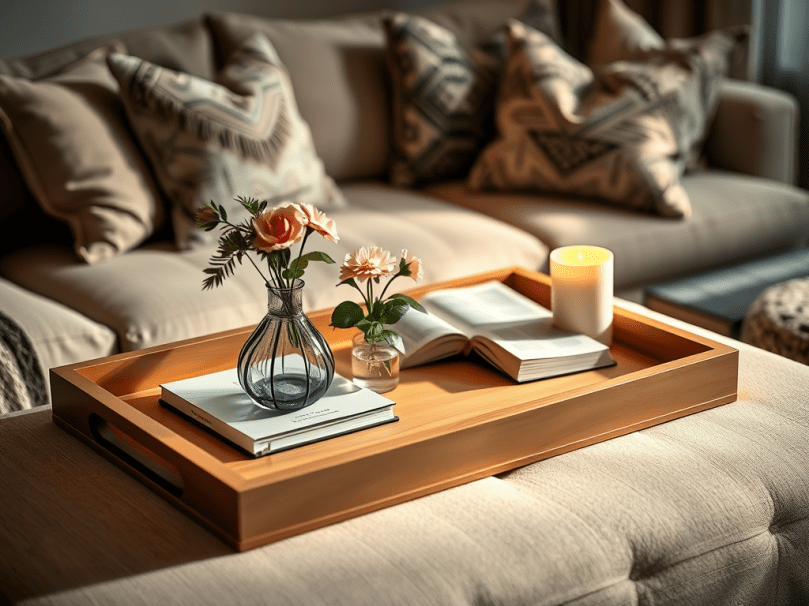
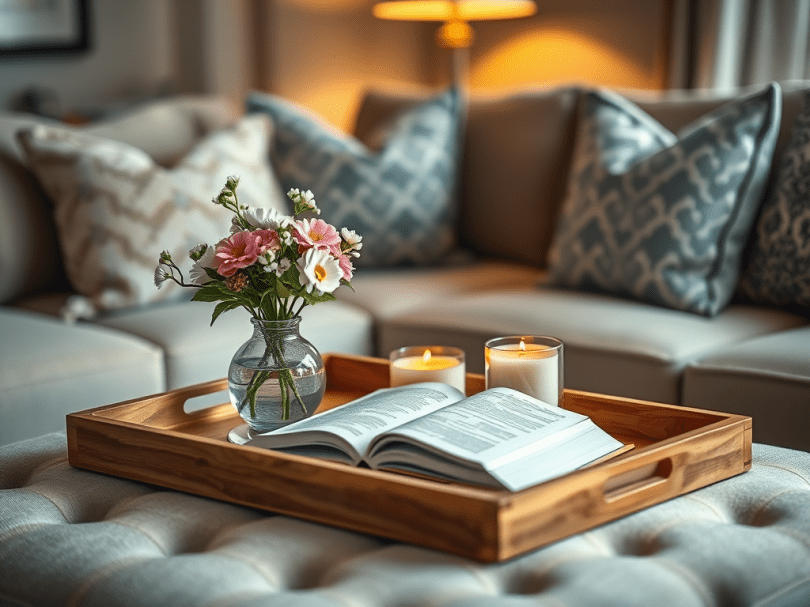
    When styled correctly, a TV tray can be more than just practical. Add:
  • A small vase with fresh or faux flowers
  • A decorative tray with candles and coasters
  • A stack of books and a chic accent piece

Suddenly, your TV tray becomes a purposeful décor moment rather than an afterthought.

  1. Lifestyle Support
    TV trays support the way we actually live. Not everyone eats every meal at a dining table. Sometimes comfort matters more than formality. TV trays acknowledge that reality while still allowing your home to feel intentional and put together.

So, are TV trays functional home décor or just a place to store things while you’re using them?

They’re functional décor when you choose pieces that reflect your style and use them thoughtfully. They become temporary storage only when they’re treated as an afterthought. Like most items in home décor, it’s all about intention.

TV trays represent balance: practicality meets personality. They remind us that beautiful spaces don’t have to sacrifice convenience, and convenient items don’t have to be boring. In a home that values both comfort and design, TV trays absolutely deserve their place.

An Appreciation of the Color Green: The Shade That Brings Life Home

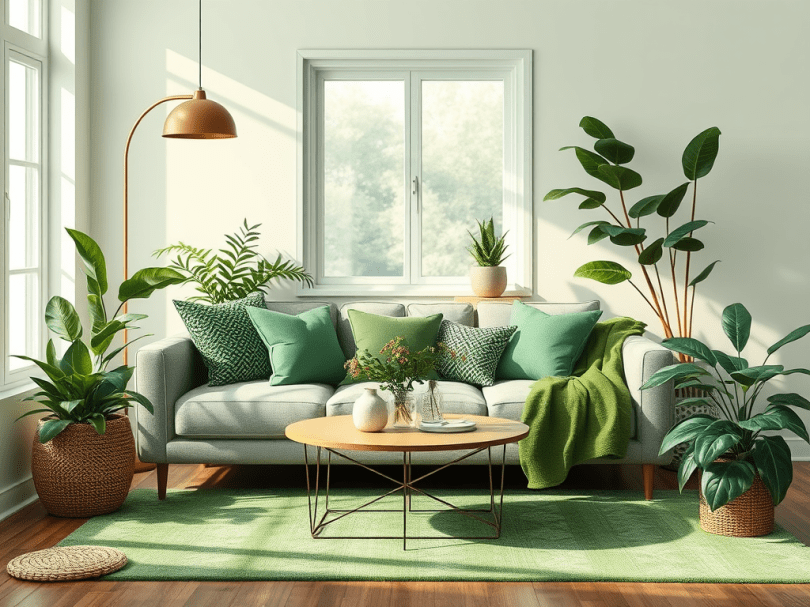
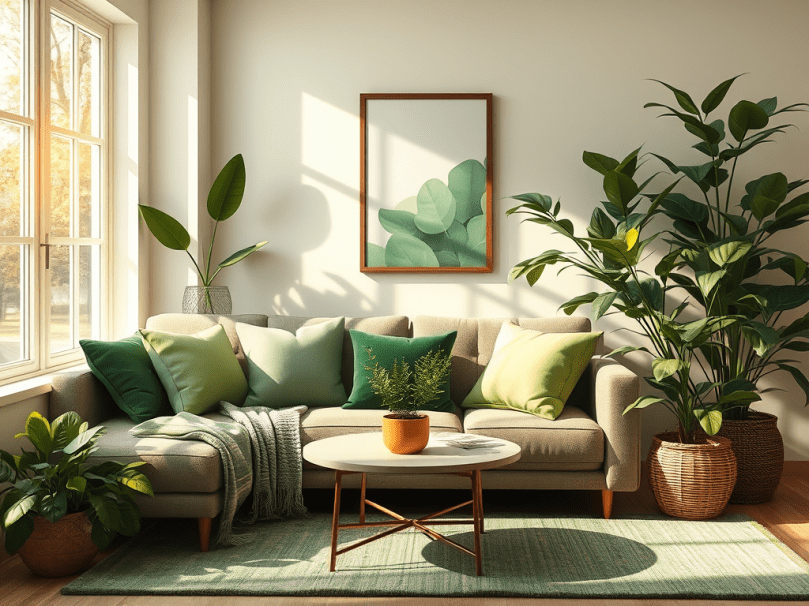
Green is one of those colors that never truly goes out of style. It’s calm yet powerful, fresh yet grounding, and endlessly versatile. Found everywhere in nature, green reminds us of growth, balance, and renewal. When used in home décor, it has the ability to make a space feel alive, welcoming, and effortlessly stylish.

Whether you love bold emerald tones or soft sage hues, green has a way of fitting into almost any design style—from modern and minimal to rustic and traditional.


Why Green Is Such a Popular Color

Green is popular because it connects us to nature. It represents:

  • Growth and renewal
  • Peace and balance
  • Freshness and harmony
  • Comfort and stability

Unlike many bold colors, green feels natural. It doesn’t overwhelm the senses; instead, it grounds a space and adds a calming energy. That’s why it works beautifully in bedrooms, living rooms, kitchens, and even bathrooms.

Green also pairs well with almost every color family, making it incredibly flexible for home styling.


The Many Beautiful Shades of Green

Green has a surprisingly wide range of tones, each bringing its own personality:

  • Sage Green – Soft, muted, and calming; perfect for cozy spaces
  • Olive Green – Earthy and warm; great for rustic or boho interiors
  • Emerald Green – Rich and luxurious; ideal for statement pieces
  • Forest Green – Deep and grounding; works well in traditional or moody rooms
  • Mint Green – Fresh and playful; perfect for kitchens and bathrooms
  • Hunter Green – Bold and dramatic; great for accent walls
  • Moss Green – Organic and subtle; pairs well with natural textures
  • Seafoam Green – Light and airy; adds softness to bright spaces

Each shade creates a different mood, allowing green lovers to tailor their space exactly how they want it to feel.


Colors That Have a Green Base

Many colors you might not immediately think of are actually green-based. These include:

  • Teal – A blend of green and blue
  • Turquoise – A vibrant mix of green and blue with brightness
  • Aqua – Light and refreshing with a green undertone
  • Chartreuse – A yellow-green that feels energetic and bold
  • Olive – Green with warm brown undertones
  • Sage – Green mixed with gray for a muted effect
  • Moss – Green with earthy undertones

These colors allow you to incorporate green energy into your space in a subtle and stylish way.


How to Use Green in Your Home

Green is extremely adaptable. You can use it in both small touches or bold statements:

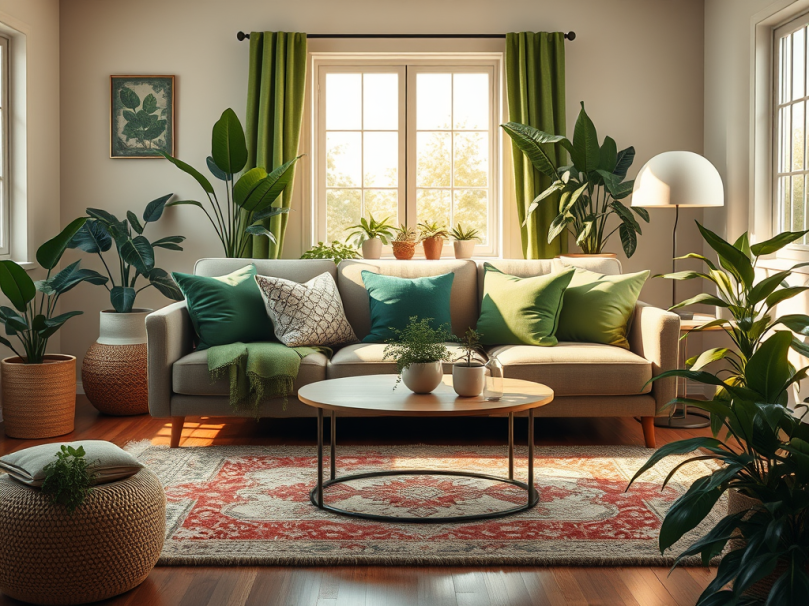
  • Walls: Try a soft sage or muted olive for a calm, sophisticated feel.
  • Furniture: A green sofa, accent chair, or bench can anchor a room beautifully.
  • Decor: Pillows, vases, throws, art, and rugs are perfect ways to add green without commitment.
  • Plants: The most natural form of green décor—plants bring color and life instantly.
  • Kitchen accents: Green cabinets or backsplashes feel fresh and modern.
  • Bathroom details: Green tiles or towels create a spa-like atmosphere.

How Green Lovers Can Use Green Without Overpowering the Space

If green is your favorite color, it’s tempting to use it everywhere—but balance is key. Here’s how to keep your space stylish and not overwhelming:

  1. Choose one main shade.
    Let one green tone be the star and build around it.
  2. Pair with neutrals.
    White, ivory, beige, gray, and wood tones soften green and keep it grounded.
  3. Use green in layers.
    Combine light and dark greens through pillows, rugs, and décor rather than large surfaces.
  4. Add texture, not just color.
    Velvet, linen, ceramic, and wood make green feel richer and more intentional.
  5. Limit bold greens to accents.
    Let emerald or hunter green appear in small doses for impact.
  6. Let natural light work for you.
    Green looks best when it can breathe in well-lit spaces.

Green: A Color That Grows With You

Green is timeless because it evolves with trends while staying rooted in nature. It can be elegant, earthy, playful, or dramatic depending on how you use it. It adapts, complements, and enhances without demanding attention.

For lovers of green, it’s more than just a color—it’s a lifestyle choice that reflects balance, creativity, and a deep appreciation for beauty that feels organic and alive. When used thoughtfully, green doesn’t overpower a space; it nurtures it.

Centerpiece or No Centerpiece: What Does Your Dining Table Say About You?

Do you have a centerpiece on your dining room table? Or do you prefer a clean, open surface with nothing in the middle? Believe it or not, both choices say something about your style, your lifestyle, and how you use your space. A dining table is one of the most important pieces in your home, and whether you decorate it or leave it bare is a design decision all on its own.

Some people love the charm and personality a centerpiece brings, while others appreciate the simplicity and function of an empty table. There is no right or wrong answer—only what feels right for your home.


Why People Love Having a Centerpiece

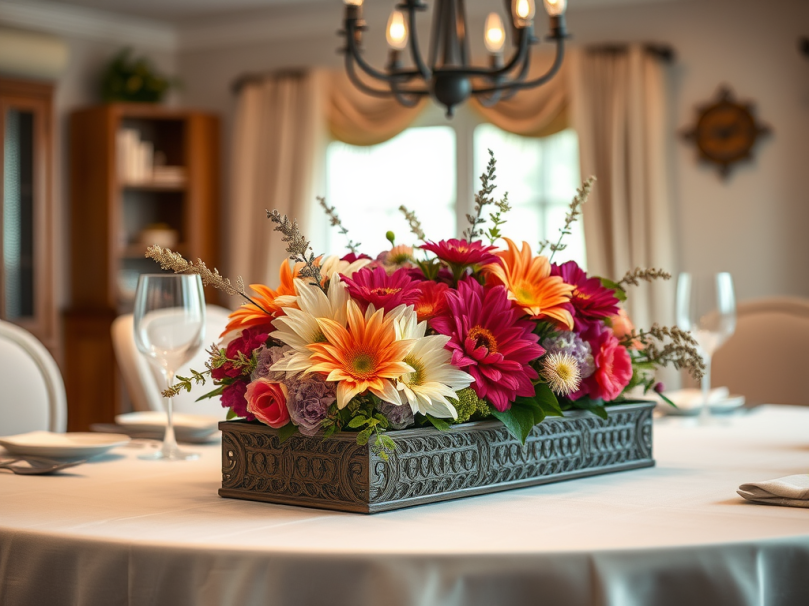
A centerpiece instantly elevates a dining room. It makes the table feel styled, intentional, and welcoming. It becomes the visual anchor of the space and often sets the tone for the entire room.

Reasons people choose a centerpiece include:

  • It adds personality and warmth
  • It creates a finished, styled look
  • It reflects seasonal or holiday decor
  • It shows off personal taste and creativity
  • It makes the dining room feel special, even on ordinary days

For many homes, the centerpiece becomes a statement piece. It’s the first thing you notice when you walk into the room. It tells a story, whether that story is modern, cozy, rustic, elegant, or bold.


Why Some People Choose No Centerpiece

On the other hand, some dining tables look just as beautiful without one. A bare table can feel clean, modern, and open. This choice often works best for people who use their dining table frequently for meals, work, homework, or family activities.

Reasons people skip the centerpiece include:

  • They want more functional space
  • They prefer a minimalist look
  • They don’t want clutter
  • They like quick and easy cleanup
  • Their table itself is the statement

Sometimes the beauty of the table’s material, shape, or craftsmanship is enough. Letting the table shine on its own can be a powerful design choice.


Are Centerpieces Statement Pieces?

Absolutely. A centerpiece can be just as impactful as a piece of wall art or a decorative light fixture. It draws attention and sets the mood. Whether it’s bold or subtle, your centerpiece reflects your home’s personality.

A statement centerpiece doesn’t have to be large or expensive. It simply has to feel intentional and meaningful to your space.


Inspiring Centerpiece Design Ideas

If you decide a centerpiece is right for your home, here are some beautiful ways to create one that fits your style:

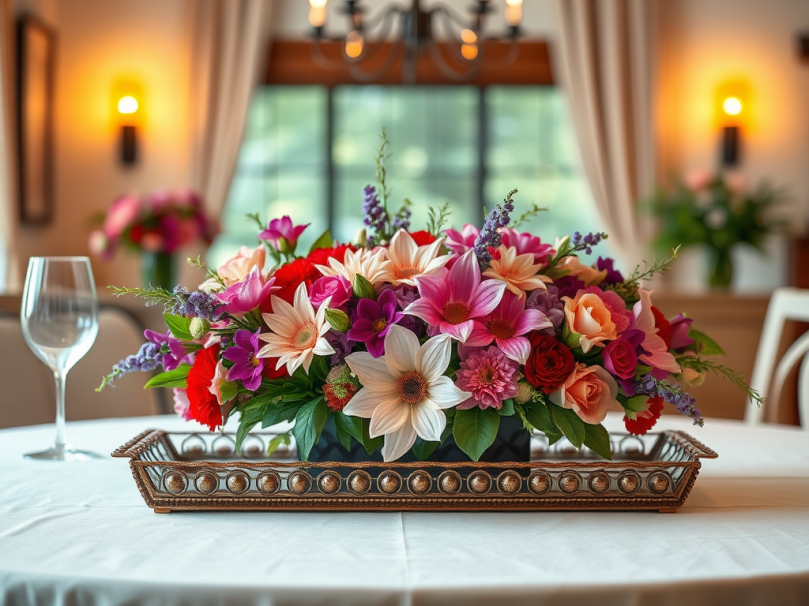
1. Floral Arrangements
Fresh flowers bring life and color into your dining room. Faux flowers work just as well for long-lasting beauty. Choose neutral blooms for a calm look or bold colors for drama.

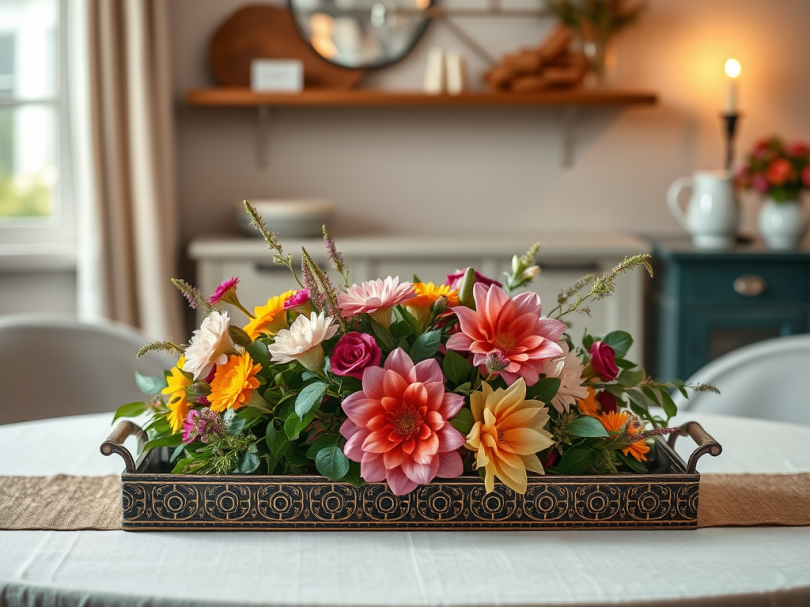
2. Tray Styling
Use a decorative tray as your base. Add a candle, a small plant, and a decorative object. Trays make centerpieces feel organized and easy to change.

3. Candles for Warmth
A cluster of candles or a long candle holder adds elegance and warmth. Perfect for both everyday decor and special dinners.

4. Greenery and Plants
A potted plant or a line of small succulents adds freshness and natural charm.

5. Sculptural Decor
Think vases, bowls, or artistic objects. These are great for modern or minimalist homes.

6. Seasonal Touches

  • Fall: pumpkins, warm-toned leaves, wooden accents
  • Winter: pinecones, greenery, metallic accents
  • Spring: pastel flowers, light ceramics
  • Summer: coastal elements, glass vases, bright florals

7. Books and Decor Stack
A couple of coffee-table books with a small decorative piece on top create a chic, curated look.


Finding the Right Balance

The perfect centerpiece never overwhelms the table. It should enhance the space, not compete with it. Consider:

  • The size of your table
  • Your room’s color palette
  • How often you use the table
  • Your personal decorating style

If your table is small, keep the centerpiece low-profile. If your table is large, you have more freedom to go bold.


Centerpiece or No Centerpiece?

At the end of the day, the choice is deeply personal.

  • A centerpiece brings style, personality, and visual interest.
  • No centerpiece offers simplicity, function, and modern charm.

Both are beautiful in their own way. Your dining room should reflect how you live and what makes you feel comfortable and inspired. Whether your table is dressed up or left bare, the most important thing is that it feels like home.

Dressing Up Your Breakfast Bar: Turning an Empty Space into a Stylish Statement

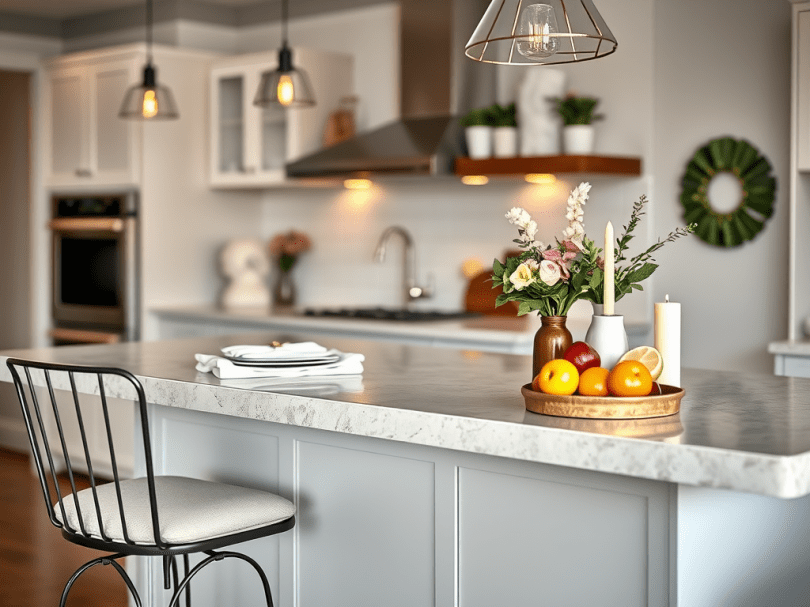
Your breakfast bar is one of those spaces that often gets overlooked. It’s beautiful, it’s functional, and it usually sits at the heart of your home. Yet so many breakfast bars remain bare, almost like they’re waiting for permission to shine. If you have a gorgeous breakfast bar that feels empty or unfinished, don’t worry. A few thoughtful touches can transform it into a cozy, stylish, and inviting space.

The key is not to overcrowd it, but to dress it with intention.


Start with the Feeling You Want

Before you add anything, think about how you want your breakfast bar to feel.
Do you want it to be:

  • Warm and welcoming?
  • Chic and modern?
  • Cozy and casual?
  • Minimal and clean?

Your answers will guide every choice you make. When your decor matches the feeling you want, your breakfast bar will naturally fit your overall style.


Add Stylish Seating

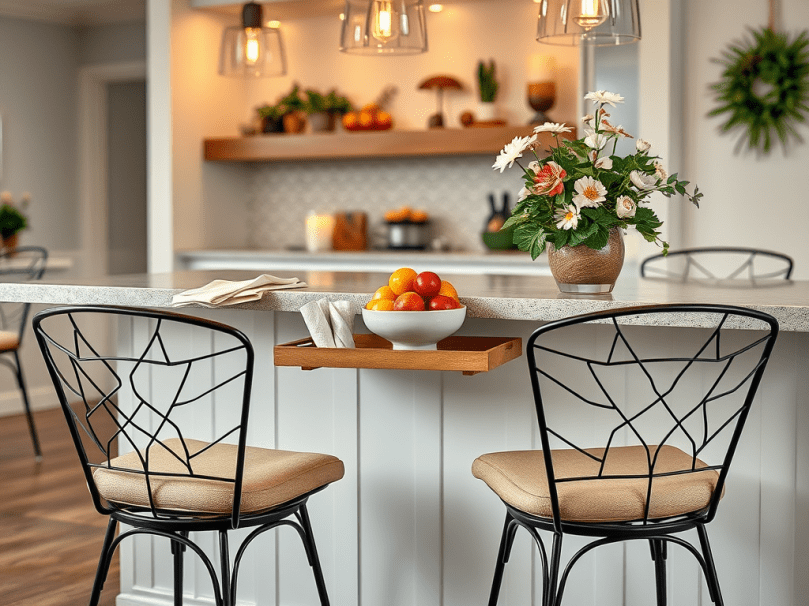
Bar stools are the foundation of your breakfast bar’s look.

Choose stools that match your home’s personality:

  • Modern: Sleek metal frames, low backs, neutral colors
  • Farmhouse: Wood stools, woven seats, distressed finishes
  • Glam: Velvet cushions, gold or chrome bases
  • Cozy: Cushioned seats, soft fabrics, warm tones

If your bar already has stools, elevate them with:

  • Seat cushions
  • Throws draped over the back
  • Coordinated colors that tie into your kitchen

Use Functional Decor

The best decor is both beautiful and useful. Try:

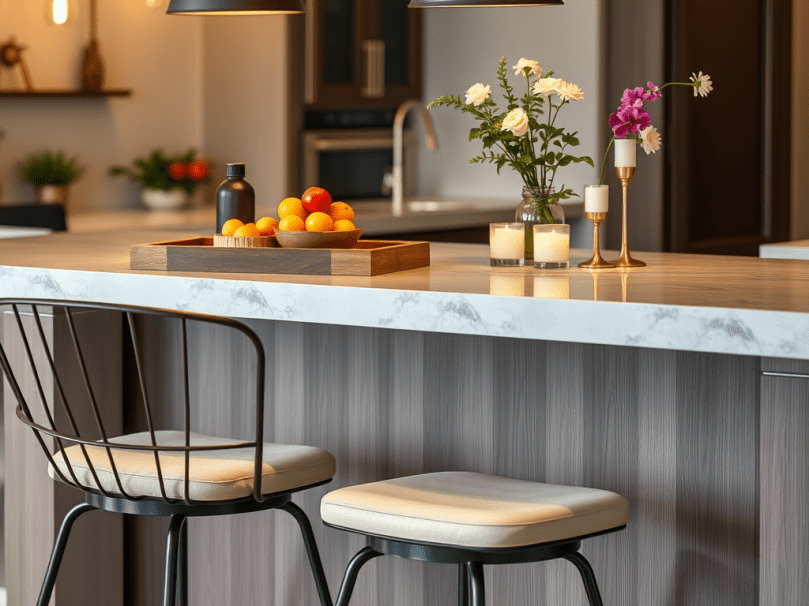
  • A decorative tray holding napkins, coasters, or a small vase
  • A fruit bowl with fresh or faux fruit
  • A cake stand or tiered tray for pastries or snacks
  • A coffee station with mugs, syrup bottles, and a small plant

This makes your breakfast bar feel lived-in and intentional instead of staged.


Bring in Greenery

Nothing brings life to a space faster than plants.

  • A small potted plant
  • A vase of fresh flowers
  • Faux greenery for low maintenance

Greenery softens the space and adds warmth without overwhelming it.


Play with Height

Visual interest comes from variety. Mix tall and short elements:

  • A tall vase + a low tray
  • A small plant + a stack of decorative books
  • Candle holders of different heights

This prevents the bar from looking flat or boring.


Use Color Thoughtfully

Pull colors from your kitchen:

  • Cabinet tones
  • Backsplash colors
  • Countertop patterns

Stick to 2–3 main colors so the space feels coordinated instead of cluttered.


Add Soft Lighting

If your breakfast bar has pendant lights, use warm bulbs to create a cozy glow.
No lights above it? Try:

  • Small cordless lamps
  • Candle holders
  • LED candles for evening ambiance

Lighting turns your breakfast bar into a mood-setting feature.


Personalize the Space

This is what truly makes your breakfast bar special:

  • A small framed quote
  • A decorative sign
  • A unique bowl from your travels
  • A handmade piece

Your personal touches make the space feel like you.


Keep It Balanced

The biggest mistake people make is over-decorating. Leave space for:

  • Eating
  • Working
  • Gathering

Your breakfast bar should still feel functional, not crowded.


Finding the Right Pieces for Your Style

Ask yourself:

  1. Does this piece match my home’s vibe?
  2. Is it useful or meaningful?
  3. Does it complement my colors and textures?
  4. Will it still feel good a month from now?

Shop slowly. Let your breakfast bar grow naturally instead of forcing it to be “finished” all at once.


Final Thoughts

Your breakfast bar doesn’t need to be extravagant to be beautiful. Sometimes it only needs a few intentional pieces to go from empty to elevated. When you decorate with purpose and stay true to your style, your breakfast bar becomes more than just a place to eat. It becomes a space where conversations start, mornings feel calmer, and your home feels just a little more complete.